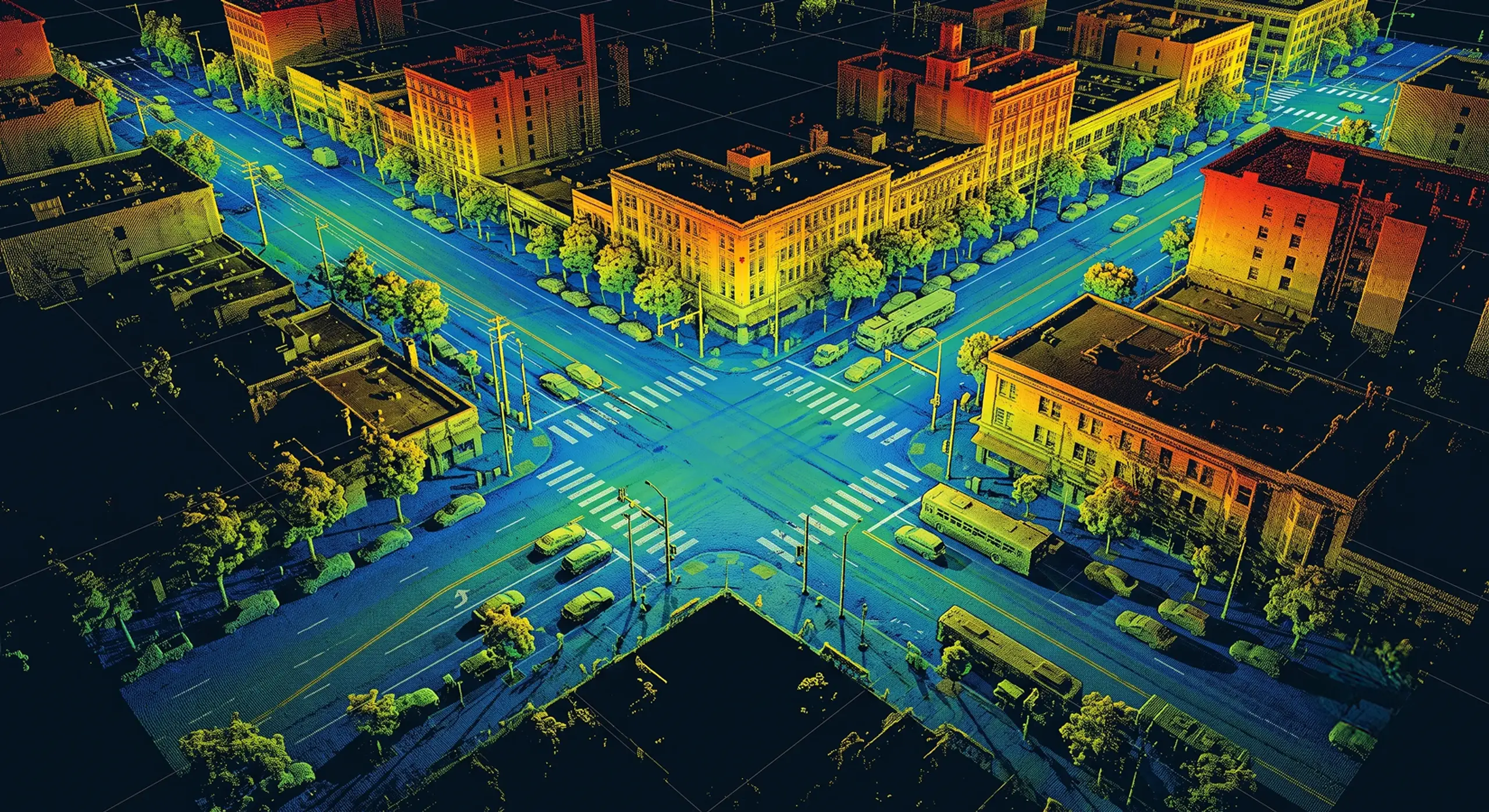
Train Safer Autonomous Vehicles. Faster.
Clear storage bottlenecks between AV sensor ingest, training, and simulation with WEKA NeuralMesh.
AV Programs Run on NeuralMesh Worldwide


USE CASES
Your Entire Cloud-to-Car Pipeline Runs on One System
Every autonomous vehicle development stage fails the same way: storage that can’t serve billions of sensor files fast enough or concurrently enough. WEKA® NeuralMesh™ solves that once, in a single namespace spanning edge, core, and cloud.

Sensor Data Capture and Ingest
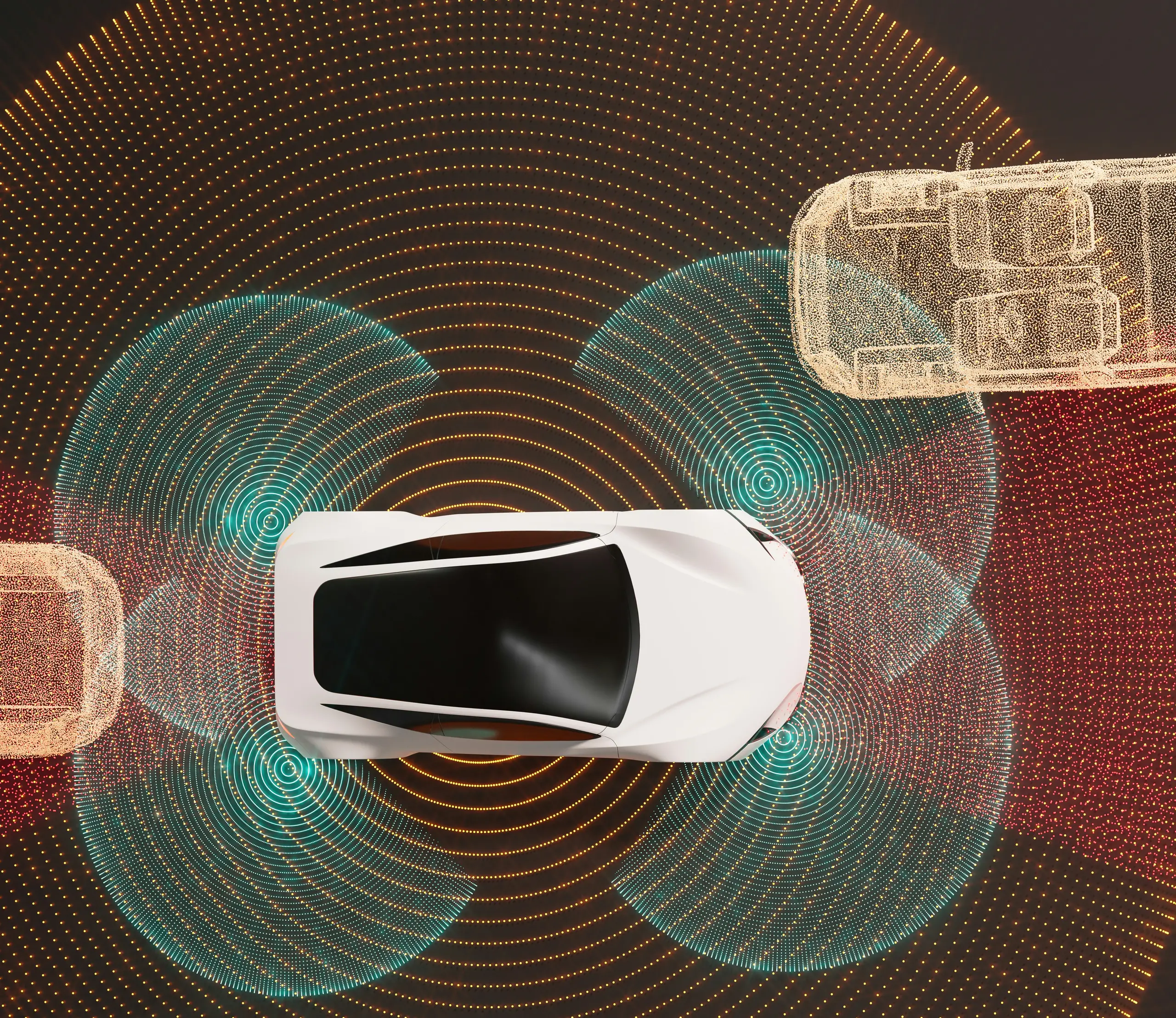
Fleets stream LiDAR, radar, and camera data nonstop. NeuralMesh ingests these PB-sized daily fleet datasets straight into the training lake, so pre-processing backlogs never form.
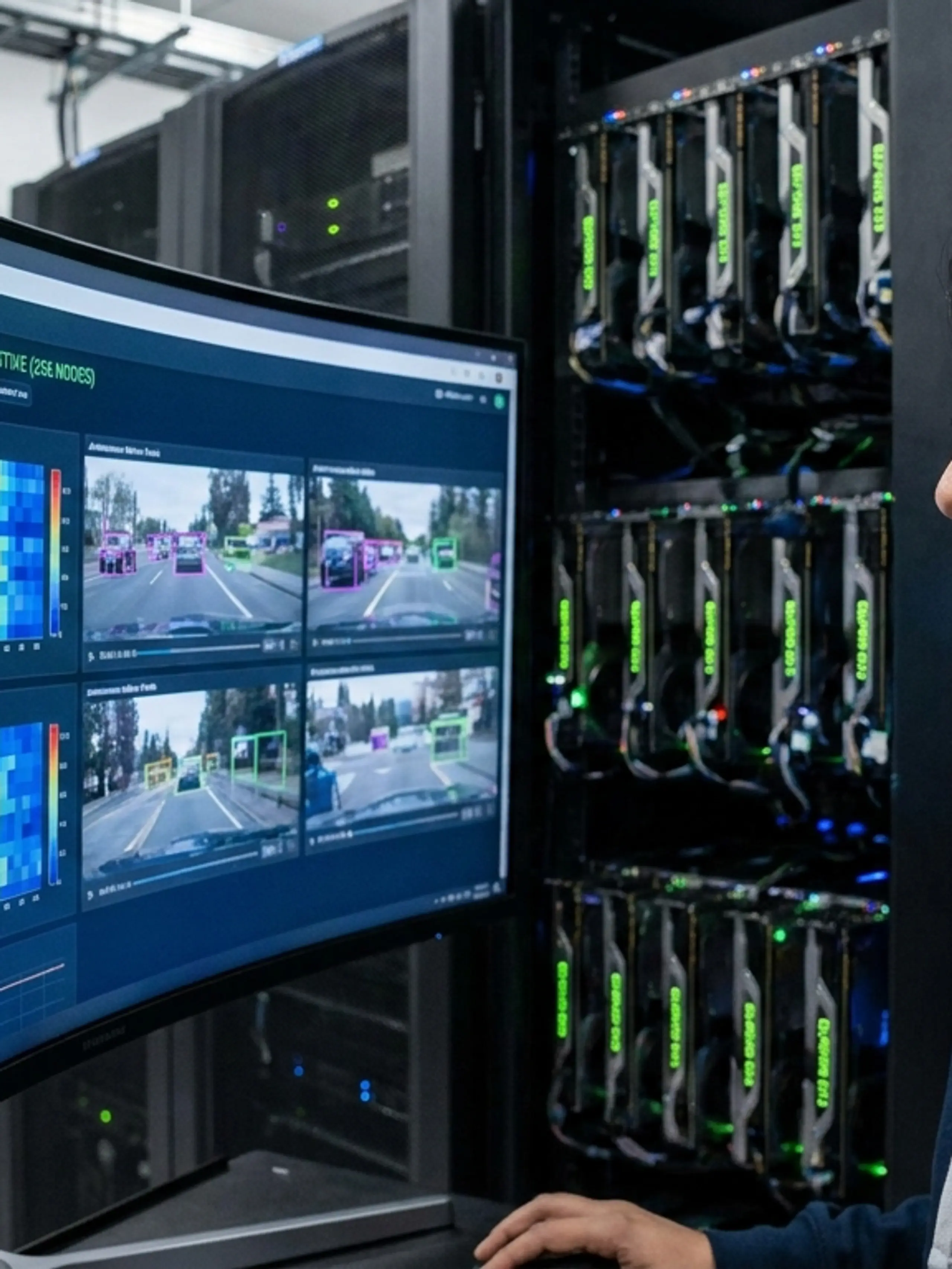
AV Model Training and Validation
AV training clusters need concurrent, high-bandwidth reads and frequent checkpoints. NeuralMesh absorbs checkpoint write storms so distributed runs finish clean every time.
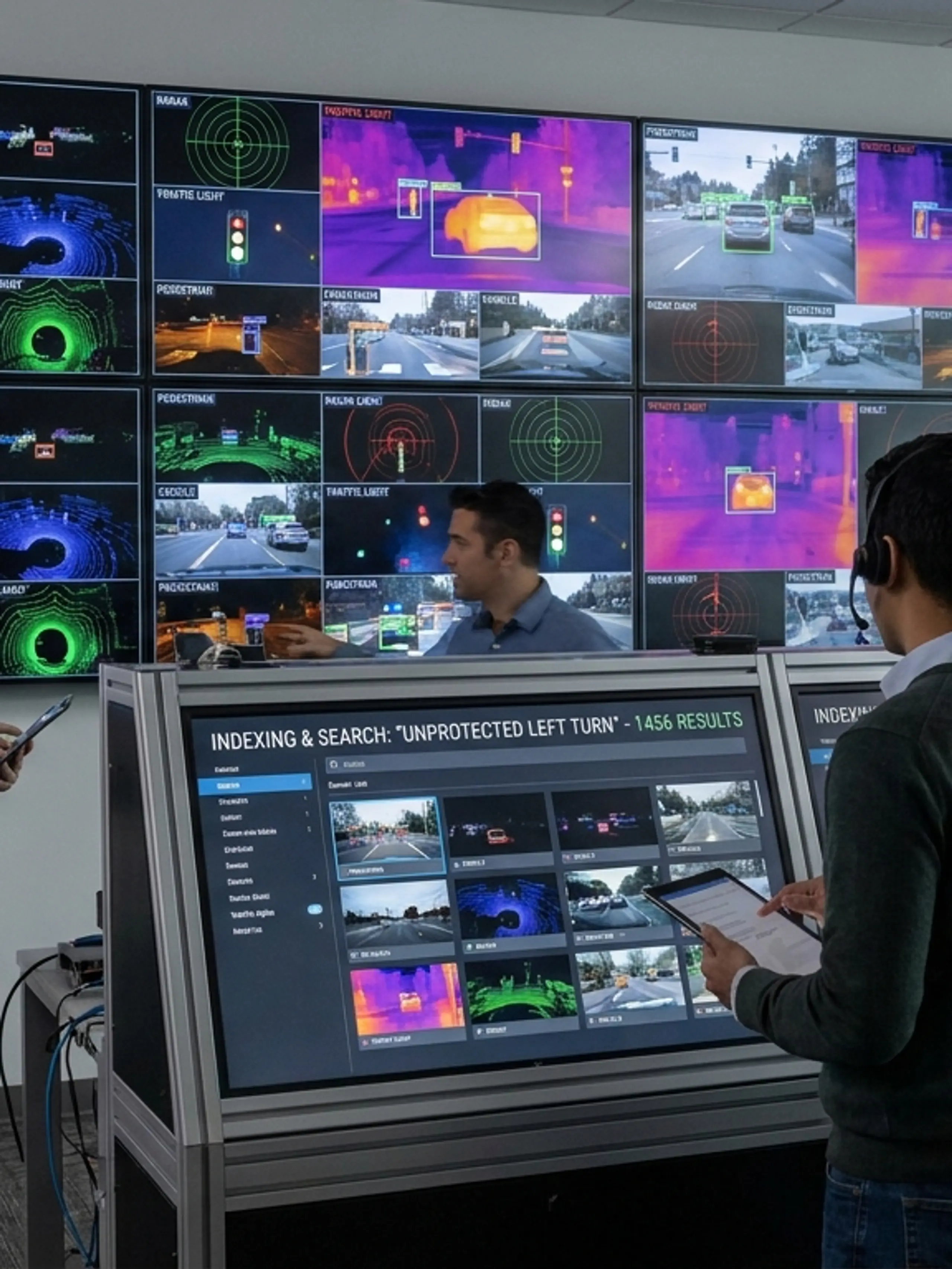
Data Curation and Active Learning
Searching metadata across billions of frames is a main bottleneck. NeuralMesh clears LOSF limits and promotes archive frames back into the hot training set on demand.
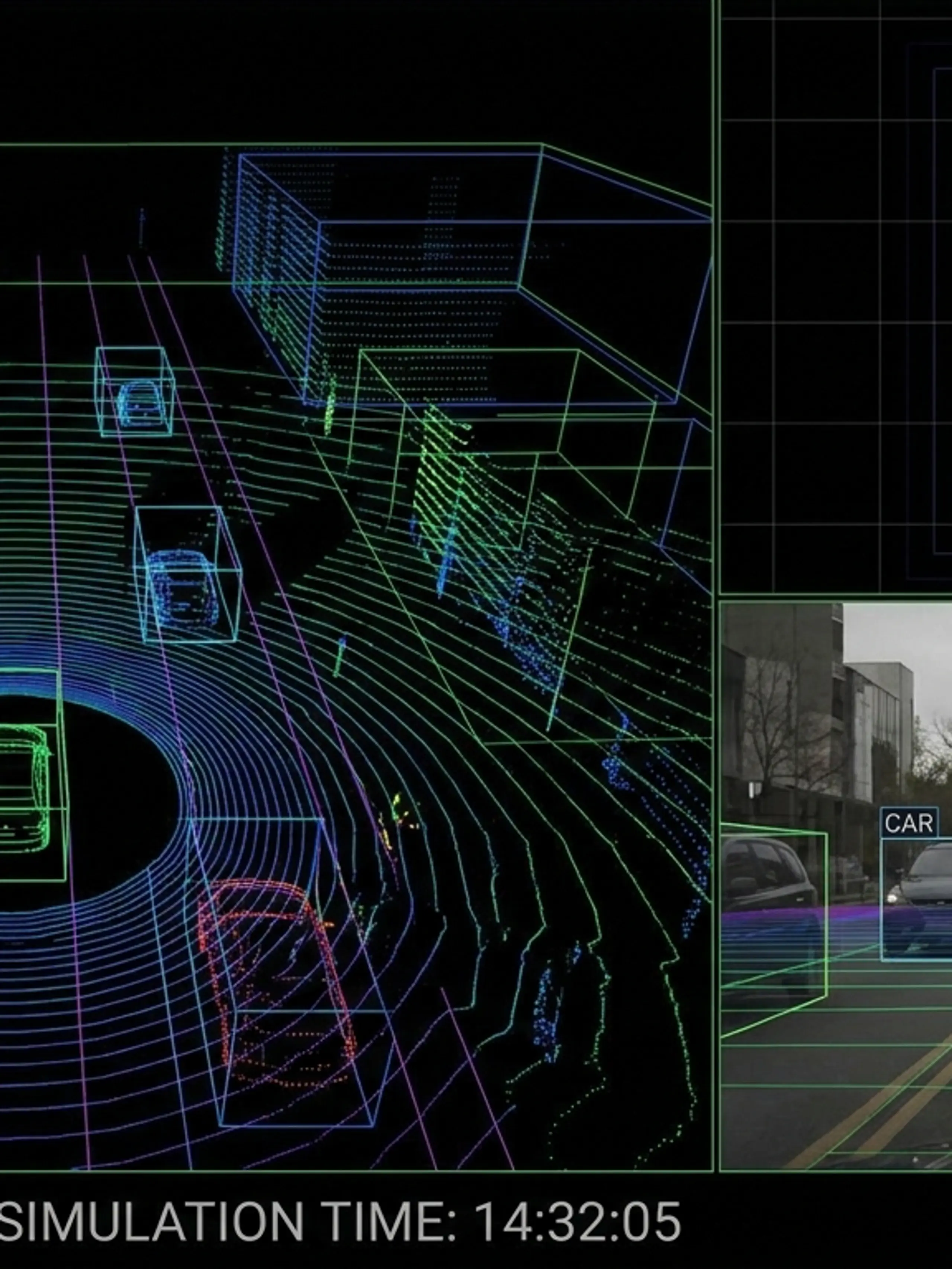
Simulation and Synthetic Data Generation
Rare edge cases are too dangerous to capture on road. NeuralMesh feeds simulation at the throughput needed to generate, store, and replay synthetic sensor data at full speed.
A Proven Solution for Autonomous Vehicle Teams
Numbers from production deployments running NeuralMesh across AV training, simulation, and fleet ingest.
0,000+
GPUs in a single NeuralMesh cluster
One namespace feeds clusters at this scale without splitting sensor data across separate storage systems.
>0%
GPU utilization, up from ~30%
GPUs stop waiting on I/O, so the most expensive line in your capital budget stays busy through training and validation.
0x
Faster bandwidth vs. legacy NAS
Faster reads compound downstream. One AV program cut a single training epoch from 14 days to 4 hours.
0+PB
Supported at 16TB/s, all day
Sensor archives keep growing. Capacity and throughput scale together, so ingest never competes with training for bandwidth.
WHY WEKA
Ship AV Models Faster, With Proof Behind Every Run
AV pipelines fail on concurrency and metadata, not capacity. Adding more legacy NAS just adds more copies, more racks, and more GPUs waiting on data.

Reproduce Any Training Run on Demand
Version every dataset and trace data lineage from sensor ingest through training for liability investigation, safety compliance, and regulatory defense.
1 / 9
Reproduce Any Training Run on Demand
Version every dataset and trace data lineage from sensor ingest through training for liability investigation, safety compliance, and regulatory defense.
Deploy on NVIDIA-Validated Infrastructure
NeuralMesh is validated on NVIDIA DGX SuperPOD and supports GPUDirect Storage for a direct NVMe-to-GPU path, which shortens procurement timelines and removes a primary latency source.
Checkpoint Without Stalls or Re-Runs
Absorb checkpoint write storms without job stalls so training runs complete reliably and expensive GPU cycles aren’t wasted on re-runs.
1 / 3


“We built a GPU farm that needed a high-speed data pipeline to feed it. We evaluated open-source solutions like HDFS and the public cloud. We chose WEKA for its ability to provide cost-effective, high-bandwidth I/O to our GPUs and for its product maturity, customer references, and stellar on-demand support.”

Go Deeper on AV Data Infrastructure

Never Starve Your Engineering Pipelines
Feed massive telemetry streams and simulations in real time. NeuralMesh eliminates data starvation so your GPU clusters never stall.
Frequently Asked Questions
Did this page meet your expectations?