Feed Every Render Node. Finish Every Simulation. Put Project Data to Work.
NeuralMesh™ puts architecture, engineering, and construction (AEC) rendering, simulation, scans, and AI on one platform.
USE CASES
Render, Simulate, Scan, and Train on the Same Project Data
Most AEC workloads break storage infrastructure the same way: thousands of nodes opening the same files at once from multiple locations. NeuralMesh spreads data and metadata across every server, so no central controller becomes the queue.
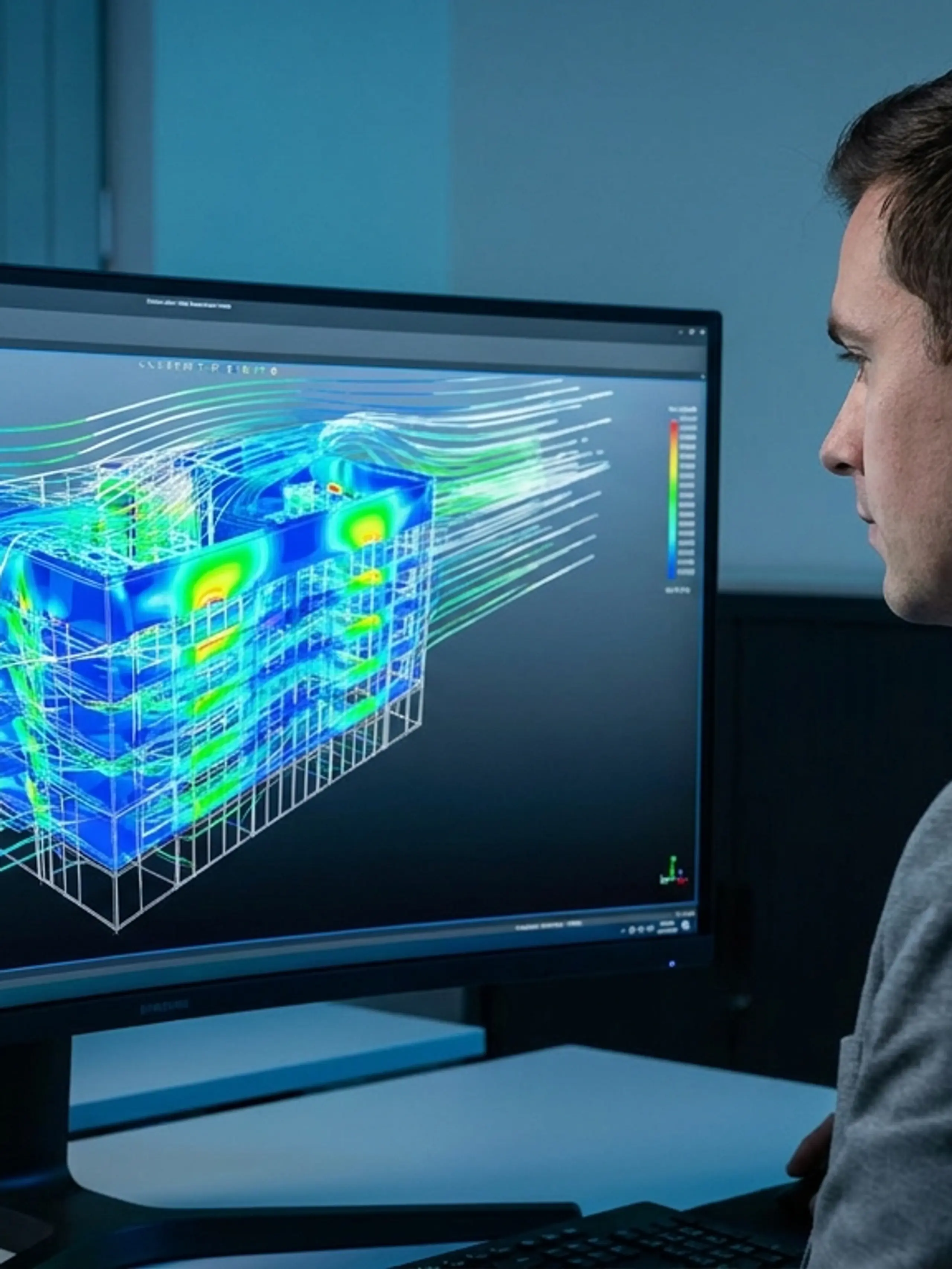
Simulation and Engineering Analysis
CFD, FEA, energy, and flood models run for days and write large results every time step. NeuralMesh absorbs those writes and self-heals, so you don't restart runs.
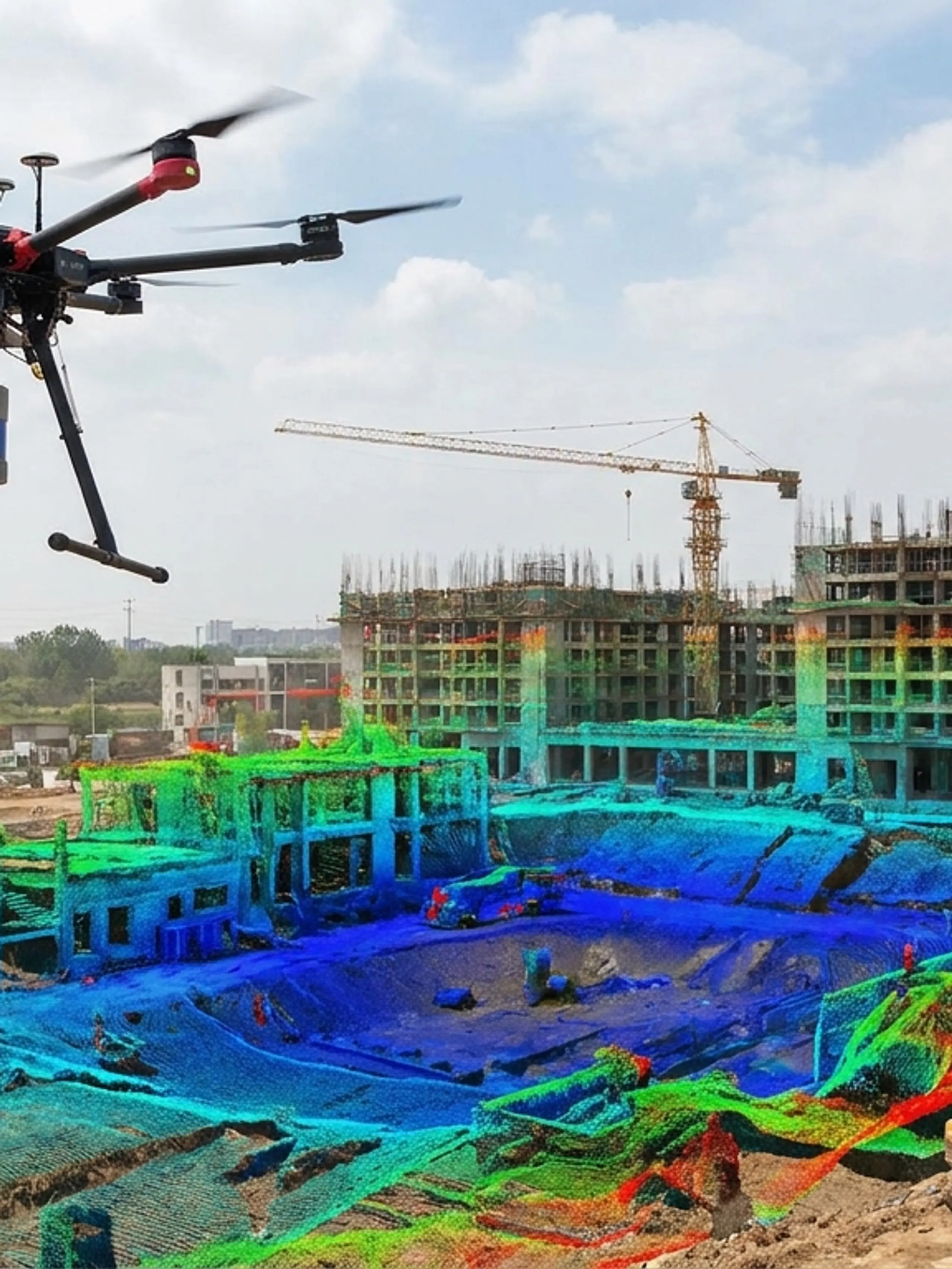
Reality Capture and Geospatial Processing
Crews capture LiDAR, drone, and photogrammetry scans on site. NeuralMesh replicates metadata first, so HQ and the cloud can browse them almost immediately, without full copies.

Visualization and Rendering
Thousands of render nodes open the same textures and assets at once. NeuralMesh serves them without queueing and bursts to the cloud on the same platform to meet deadlines.
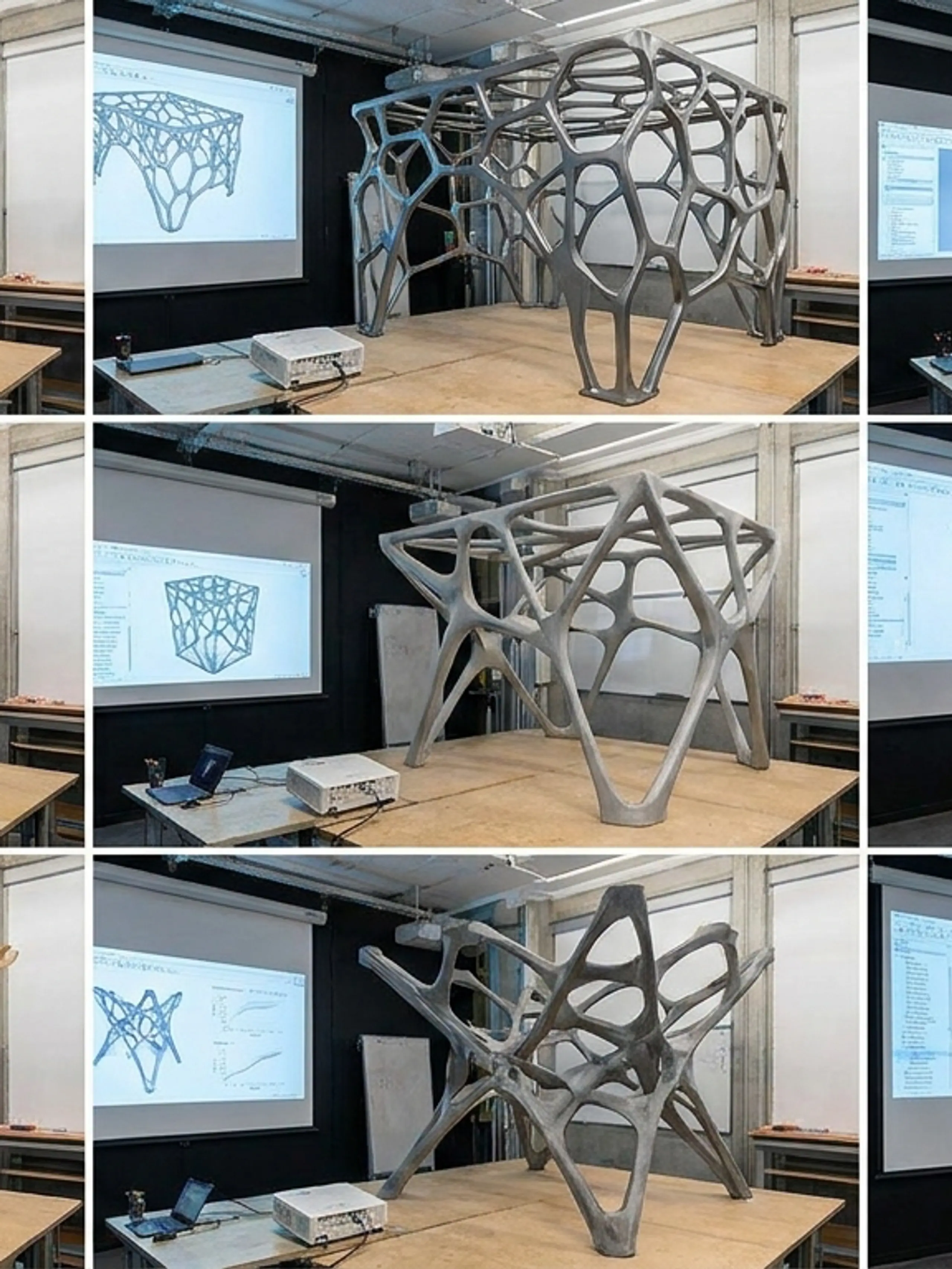
AI and Generative Design
Generative design tools and AI agents search decades of projects, specs, and RFIs. NeuralMesh serves that history over fast S3 at the same speed as active work.
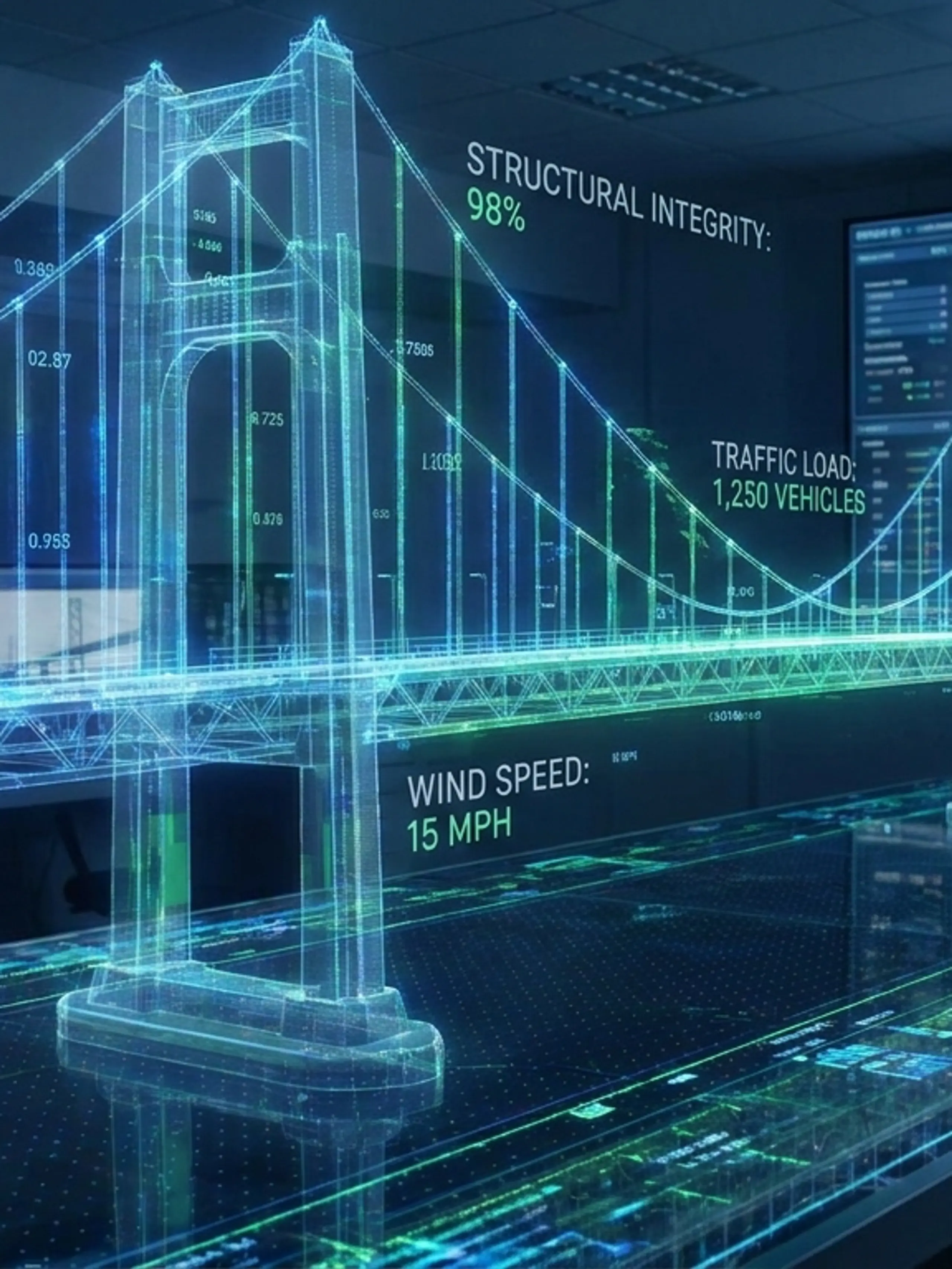
Digital Twins and Operations
Live building and infrastructure twins run on constant IoT sensor data. NeuralMesh unifies sensor data and models in one namespace, so engineers can run hundreds of simulations.
What NeuralMesh Puts Behind Your Render and Simulation Work
Platform figures for NeuralMesh and WEKApod® 3 across Architecture, Engineering, and Construction workloads. Results vary by workload and configuration.
0x
Max data reduction with <5% overhead
Always-on data reduction includes a contractual guarantee on both the ratio and the performance impact.
0M
IOPS delivered per WEKApod rack
Render and simulation clusters stay fed under concurrent load.
0%
Max rack reduction for equal capacity
WEKApod needs fewer racks for equivalent capacity.
0.0EB
Of effective capacity per rack
Even with massive datasets, rebuild times are faster, so hardware failures don’t stall multi-day runs.
WHY WEKA
Faster Renders and Simulations Without Another Storage Silo
Your compute waits on file access. Adding render nodes or running jobs overnight raises cost and slows iterations without fixing the storage underneath.
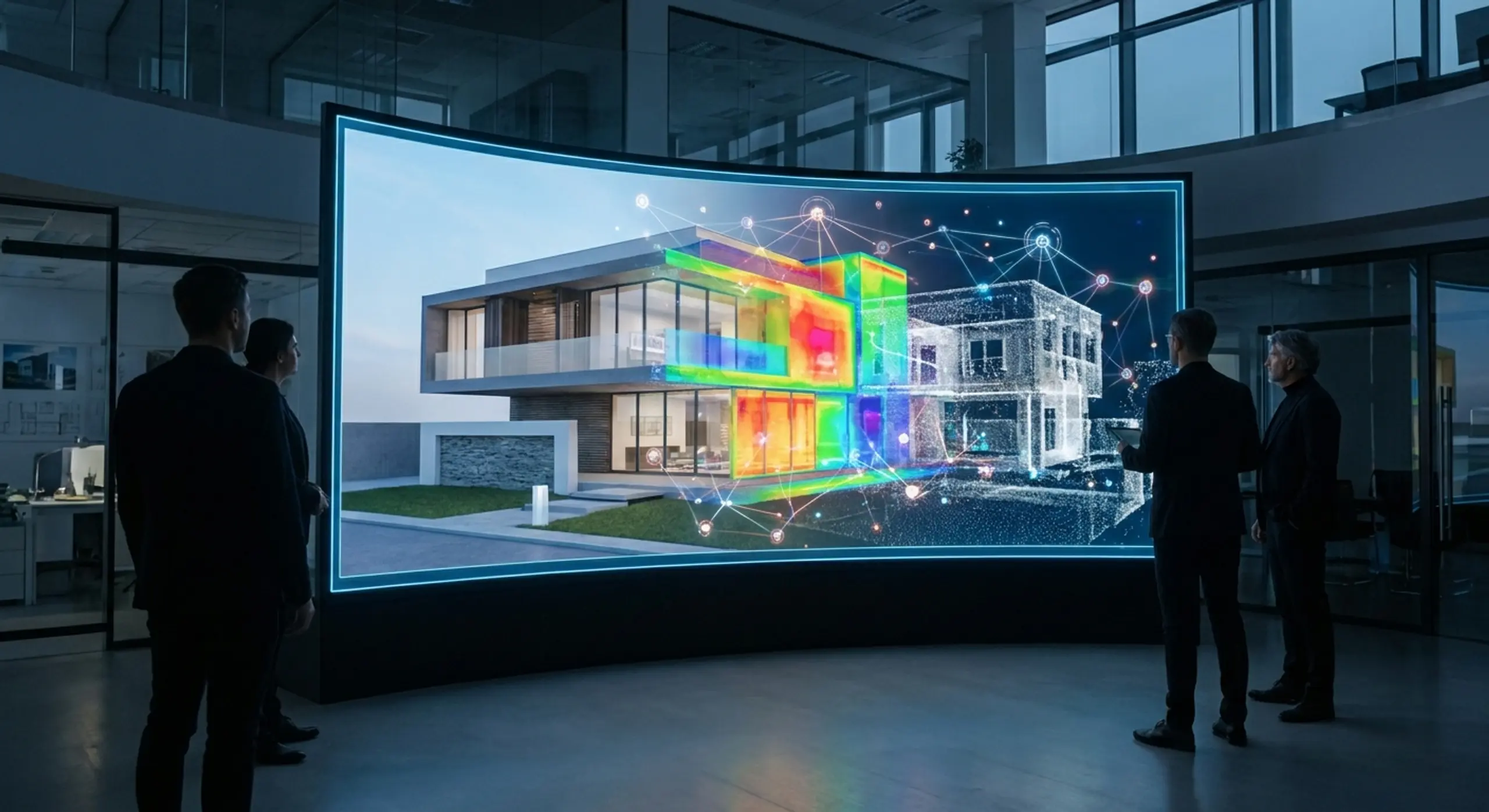
Keep Render and Simulation Nodes Fed
NeuralMesh spreads data and metadata across every server, so thousands of render nodes read the same assets without queueing and each WEKApod 3 rack pushes 10.2 TB/s.
1 / 9
Keep Render and Simulation Nodes Fed
NeuralMesh spreads data and metadata across every server, so thousands of render nodes read the same assets without queueing and each WEKApod 3 rack pushes 10.2 TB/s.
Unify Every Workload on One Platform
POSIX, NFS, SMB, and S3 on the same data let one scan feed simulation, render, and AI pipelines without copies, in a single namespace that spans trillions of files.
Move Data Between Sites and Cloud Faster
Metadata-first replication makes datasets browsable at HQ, a second site, or the cloud almost immediately, and the same software runs in AWS, Azure, OCI, and GCP for render bursts.
1 / 3

“WEKA eliminated the trade-off between performance and cost. It delivered the high-speed data storage performance we required for VFX rendering without the hefty price tag.”



See What Happens When Your Data Infrastructure Isn't Holding You Back
Frequently Asked Questions
Did this page meet your expectations?